Skip to content

Connecticut

Custom software development in Connecticut.

Web and mobile apps, automations, dashboards, and internal tools — built for small and midsize businesses across the state. Run out of Ellington, close enough to most of it to show up in person when that's what the work needs.

Service area

Based in Ellington, working across the state.

Connecticut is small, but it isn't uniformly close — Hartford is a twenty-five minute drive and Stamford is closer to two hours. Here's what that actually means for how a project runs.

Within about an hour of Ellington

Close enough that sitting down together is routine rather than an event. If it helps to walk your floor, watch how the work actually happens, or get the whole team in one room, that's a short drive rather than a scheduling problem.

  • Hartford
  • West Hartford
  • Manchester
  • Vernon
  • Enfield
  • Windsor
  • Glastonbury
  • Tolland
  • Storrs
  • Middletown
  • New Haven
  • Norwich

The rest of Connecticut

Fairfield County and the southwest corner are a longer haul, so that work runs remotely by default with trips down when something genuinely calls for being there. In practice most projects need far fewer in-person days than people expect.

  • Stamford
  • Norwalk
  • Bridgeport
  • Danbury
  • Waterbury
  • Torrington
  • New London
  • Stonington

What that means

Four ways this usually starts.

Most people arrive describing a problem rather than a project. Sorting out which of these it turns into is what the first conversation is for.

Full service detail

Custom Software

Built for how you actually work.

Web apps, mobile apps, internal tools, automations, websites — if it needs building, this is the bucket it lands in.

More on Custom Software

Data & Reporting

Stop guessing. Start seeing.

Dashboards and reports that pull from the systems you already use, so nobody rebuilds the same spreadsheet every month.

More on Data & Reporting

AI Adoption

Real recommendations, then hands-on help using them.

Which AI tools are actually worth adopting for your business, and the setup work to get them running — plus a second opinion on anything you've already built with AI.

More on AI Adoption

Ongoing Support

Software you don't have to babysit.

Monthly support that keeps what you've got secure, current, and improving — whoever built it.

More on Ongoing Support

Why local

What you get from hiring in-state.

Not every project needs a developer nearby. When it matters, it tends to matter for these reasons rather than sentimental ones.

You talk to the person building it

No account manager relaying your problem to a team you never meet. The person who hears what's wrong is the person who writes the code, so nothing gets lost in the handoff.

Same hours, same week

Questions get answered during your workday, not overnight from twelve time zones away. A question on Tuesday morning is a decision by Tuesday afternoon.

On-site when it earns its keep

Some things you can only learn by standing where the work happens — the paper form on the clipboard, the workaround nobody documented. That's a drive, not a flight.

A real business you can look up

Massner Development LLC is registered in Connecticut with an address in Ellington. You know who you're contracting with and where to find them.

How it works

A process that starts with listening.

The same three steps whether you're twenty minutes away or three states over.

  1. 01

    Talk

    Tell me what's not working. If I can help, you'll know exactly what that looks like.

  2. 02

    Build

    A number agreed up front. You see working software at every milestone.

  3. 03

    Support

    Ongoing maintenance from the person who built it — not a support desk.

Recent work

What this looks like when it's finished.

A cross-section of the work rather than a local roster — these clients are elsewhere. It's the shape of the problems that transfers.

See all work
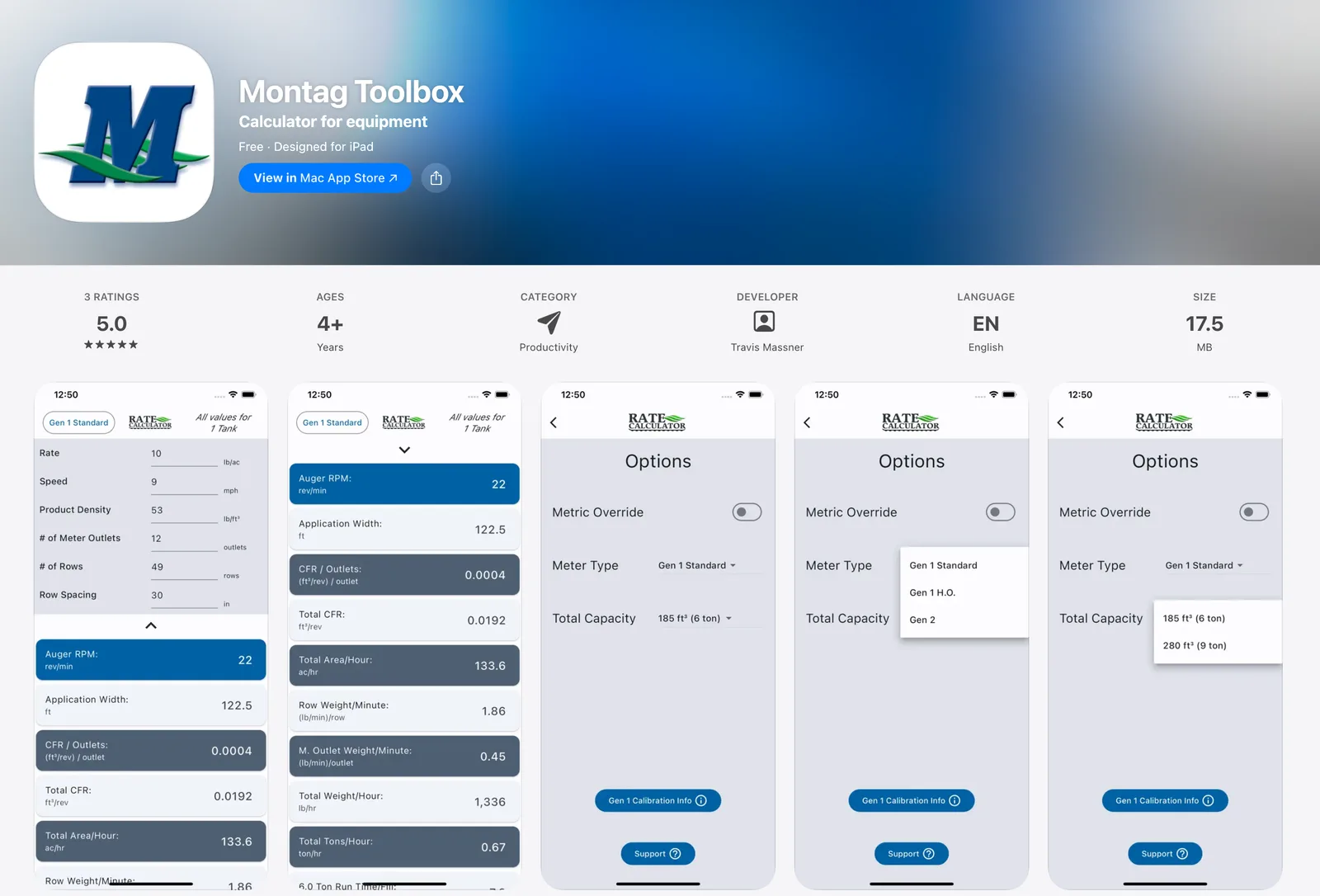
Montag Toolbox on the App Store, showing the rate calculator and options screens
Mobile appiOS & AndroidCross-platform

Rebuilding an app its users would never notice had changed

Montag · Agricultural equipment

A full rebuild of an abandoned equipment calculator — same app to the people using it, entirely new underneath.

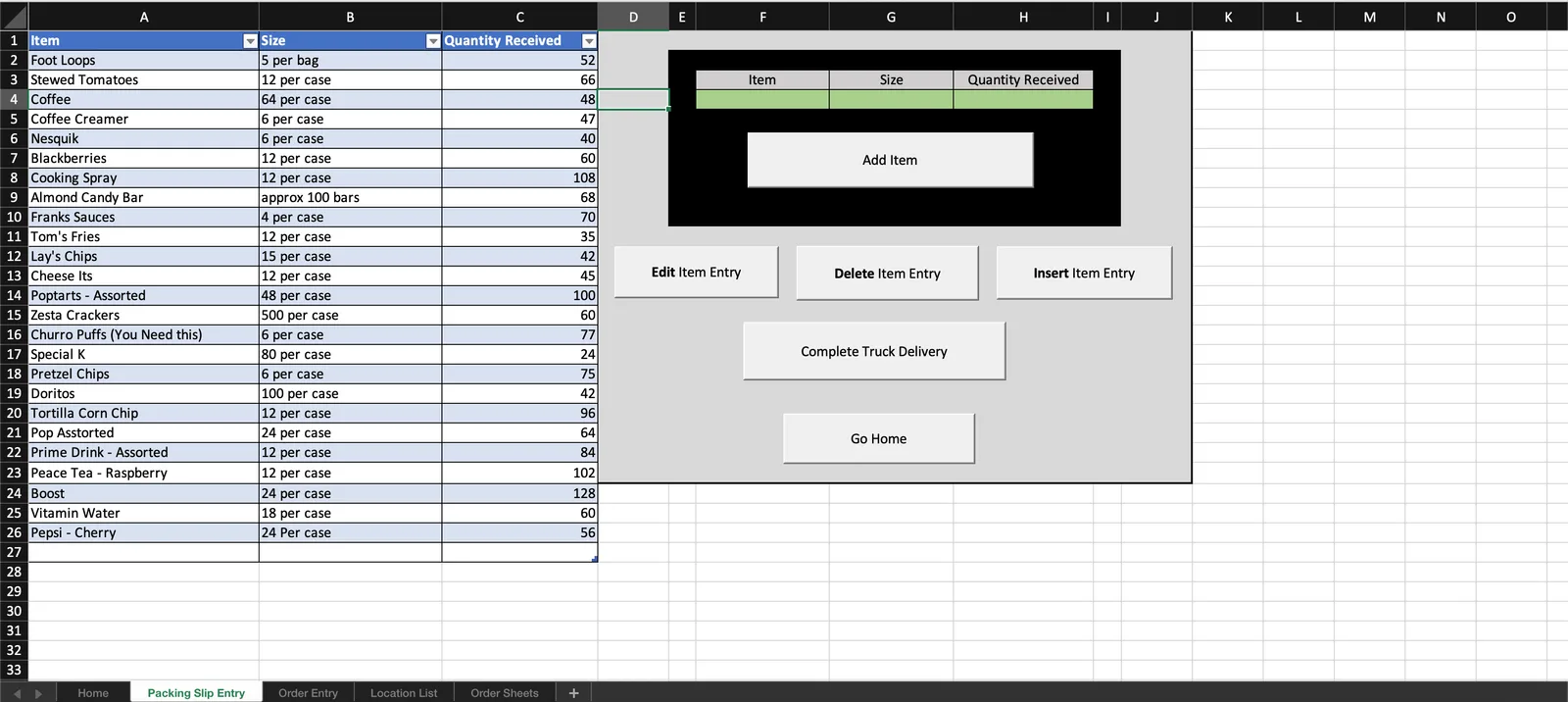
The packing slip entry screen of the food bank distribution tool
Ongoing supportHandoverInternal tool

Taking over someone else's tool and keeping it alive

Local food bank · Nonprofit food distribution

Picked up a custom packing and distribution tool built by another developer, then supported and extended it as the operation changed.

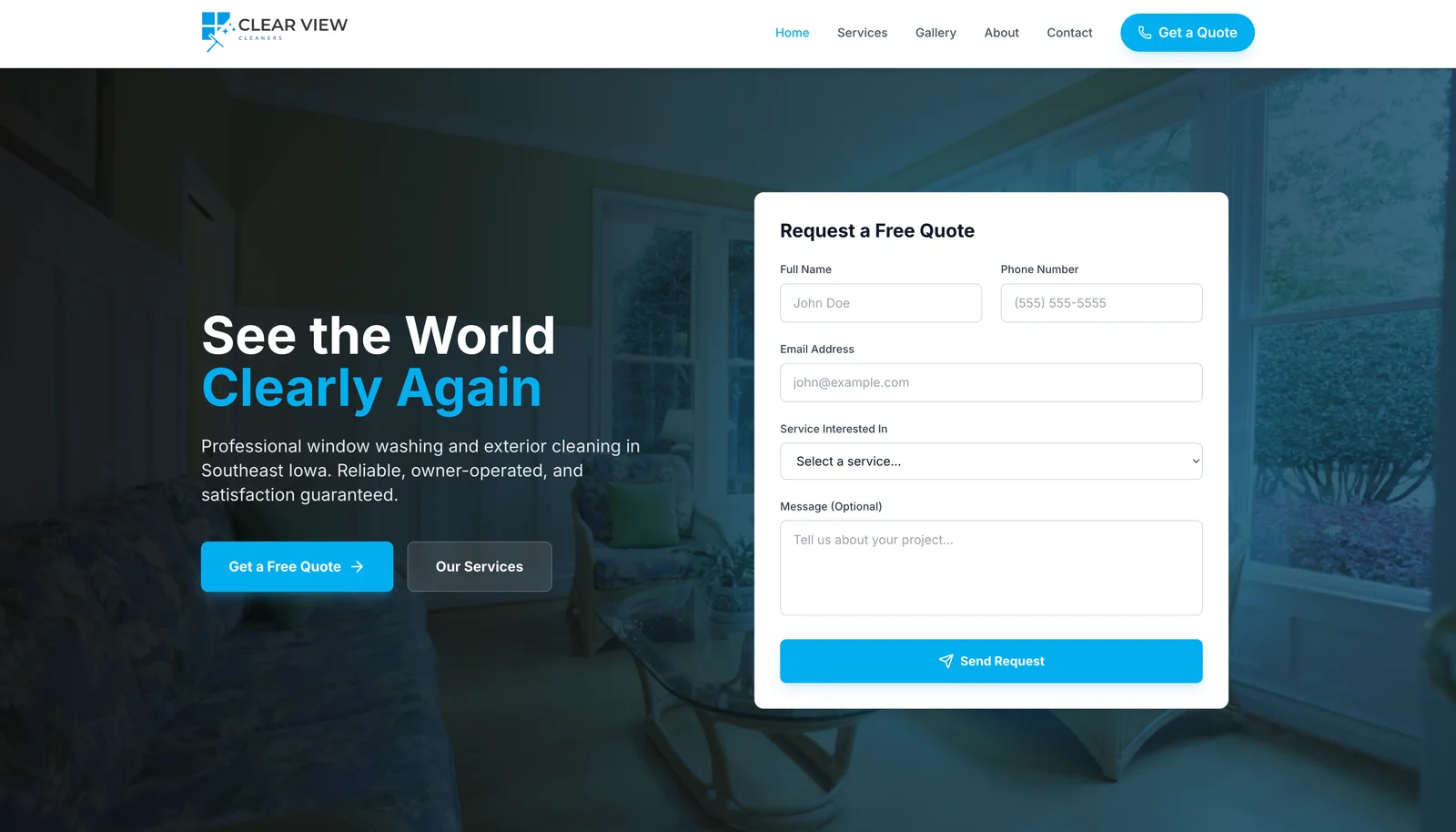
The Clear View Cleaners homepage with its quote request form
WebsiteBrand refreshLocal SEO

A new name, a new look, and a way to actually be found

Clear View Cleaners · Window washing & exterior cleaning

A full rebrand plus a fast, search-friendly site built to turn local searches into booked quotes.

Details

Questions Connecticut businesses ask.

Do you actually meet in person?
Yes, and it's usually worth doing at least once. Understanding a business is much faster in the room than over a call, especially when the current process involves paper, whiteboards, or someone's very specific spreadsheet. After that, most projects run fine on calls and email.
Do you only work with Connecticut businesses?
No. Plenty of the work is out of state and always has been. Connecticut businesses just get the option of a developer who can drive to them, which matters to some people and not at all to others.
Is a local developer more expensive than going offshore?
The hourly figure usually is, and the total often isn't. Offshore projects tend to spend their savings on rework, translation of requirements, and the management time it takes to keep it all straight. What I'd rather do is scope the thing honestly and give you a number before it starts, so you can compare real totals instead of rates.
How small is too small?
There isn't really a floor. A lot of genuinely useful work is a couple of days — one automation that removes an hour of retyping every morning, or a report that stops being rebuilt by hand each month. Plenty of conversations also end with me saying you don't need to build anything.
Can you work with the systems we already have?
That's most of it. Very little of this work starts from nothing — usually it's connecting the platforms you already pay for, pulling your numbers into one place, or replacing the spreadsheet that's quietly become critical. You keep what works and I fill the gaps.
Who owns what you build?
You do — source code, accounts, infrastructure, and documentation. Nothing is held back to keep you on a retainer, and if you bring in someone else next year, everything they need is already yours.

Tell me what's not working.

A free, no-obligation conversation — a call, or coffee somewhere between us if you'd rather. Describe what you're dealing with and I'll give you an honest read on whether it's worth building, and roughly what it would take.